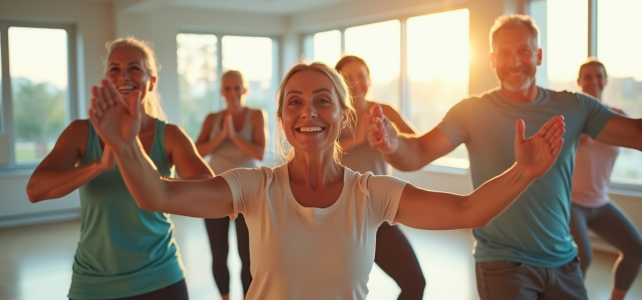
A mischievous smile, a chair, and here is Josette, 72 years old, trying yoga as others would embark on an adventure. Age no longer holds the monopoly on vitality: fitness today is cultivated, tamed, maintained – and above all, it invents unexpected paths, far from rigid codes.
From Dunkirk to Nice, gyms are shaking up their codes, multiplying programs designed for those over sixty-five. Here, a balance workshop. Over there, an aquagym session where good humor splashes as much as the water. Seniors are redefining their limits, chasing away the old idea of a sedentary retirement. Physical activity takes on a new flavor: at the crossroads of care and pleasure, it becomes the discreet ally that preserves the freedom to move, to laugh, to be oneself, even after seven decades.
You may also like : The best activities to try for unforgettable experiences in France
Overview of sports-health issues among seniors in France: current state and challenges to address
In our country, the reality is straightforward: more than a third of seniors never set foot in a gym, nor even in a park to walk. This scenario reveals the urgency to rethink health sports to support the advancing life. It’s not just about preventing falls. It’s morale, social connections, and everything that makes life enjoyable that are at stake.
The obstacles are clear, and they arise at several levels:
Related reading : What budget to expect for a night of camping in France this year?
- Accessibility: it’s about offering activities close to home, with welcoming spaces and staff truly trained to support seniors.
- Information: many still ignore the benefits of physical activity or the existing programs, like CA OP for seniors.
- Individualization: each health journey is unique, each story, each pathology requires a tailored program, respectful of both limits and desires.
It’s time to view sports activity not as a punishment but as the ally of preserved autonomy. Local initiatives are multiplying, stakeholders are mobilizing, but overall coordination remains uneven. Supervised physical activity is now asserting itself as one of the most powerful levers in addressing the issue of aging in France.
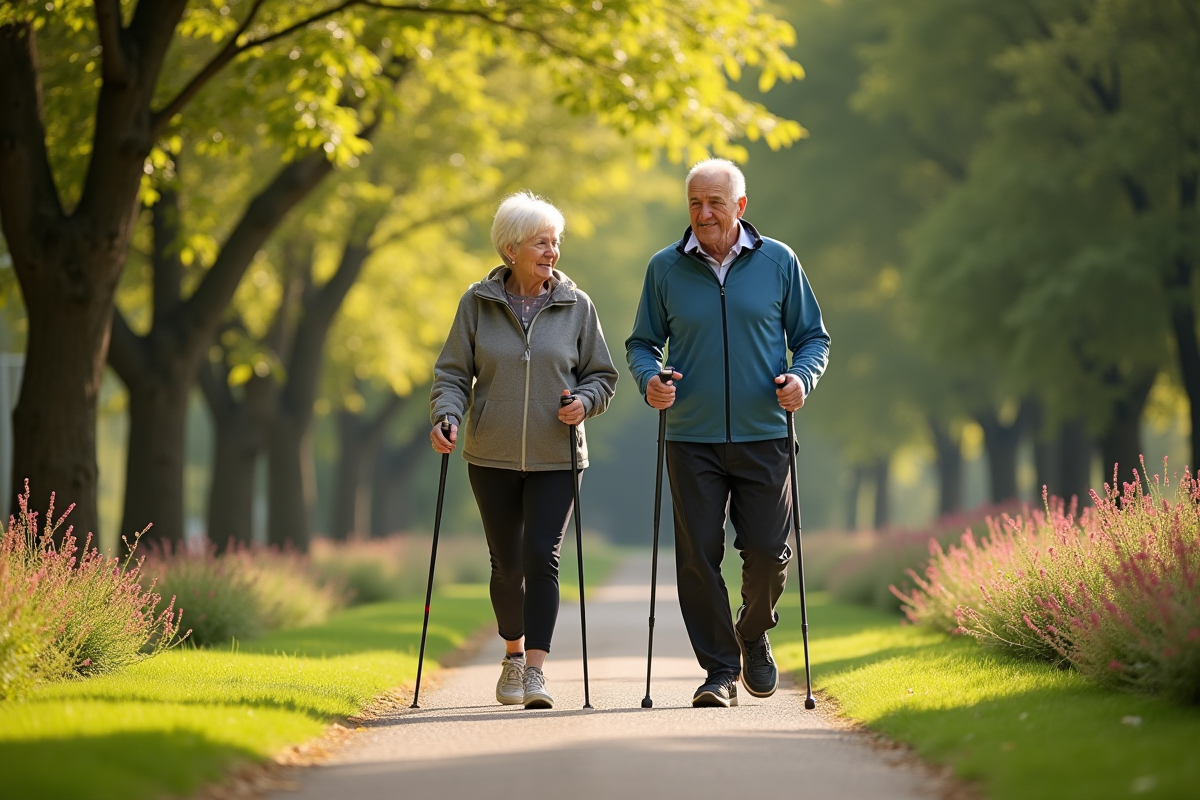
What concrete solutions to promote physical activity adapted for seniors?
France is finally taking the turn towards adapted physical activity (APA). The national sports-health strategy is paving the way, and sports-health houses are sprouting up everywhere, embodying this new way of envisioning movement. In these places, personalized pathways, comprehensive assessments, and adapted physical activity sessions led by seasoned professionals are opened up. Here, every step counts, regardless of age or health condition.
The range of activities is broad: from gentle muscle strengthening to tai chi chuan, which, by the way, works wonders for balance and fall prevention. Group workshops, in turn, weave connections, dispelling the isolation that sometimes threatens the elderly.
- Personalized interviews to assess physical condition
- Weekly workshops focused on memory, flexibility, or balance
- Pathways adjusted according to needs, desires, and minor or major health concerns
Local authorities and some mutual insurance companies are also getting involved: they sometimes fund all or part of the sessions, making sports accessible to those who no longer dared to step into a gym. Sometimes, APA is even part of the care pathway, especially after hospitalization or in the face of a chronic illness: a helping hand to get back on the right foot.
By multiplying these initiatives, the sporting practice of seniors is taking on a new dimension. Proximity, flexibility, support: in this area, France is building a future where moving will no longer be the exception, but the rule. And what if old age simply became a new playground?