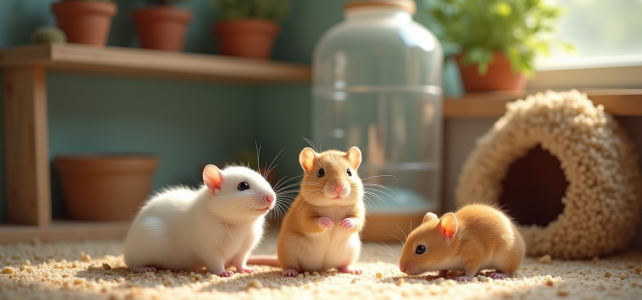
Adopting small rodents like hamsters, mice, or gerbils may seem like an easy and fun endeavor. However, these little creatures require special attention and specific knowledge to ensure their well-being. Before diving into breeding, it’s essential to understand their needs regarding habitat, diet, and medical care.
Each species has its own characteristics. Hamsters enjoy individual spaces, while rats prefer to live in groups. A balanced diet is fundamental for their health, just like regular visits to the veterinarian. Being well-informed will allow you to provide a pleasant life for these little companions.
Choosing the Right Rodent to Start Breeding
For novices in breeding small rodents, it’s crucial to choose the species that best matches their expectations and capabilities. Each rodent has specific needs in terms of care, space, and sociability. Here are some key elements to consider:
- Domestic Mouse: originating from Asia, this species has been adopted in France for many years. The domestic mouse, also known as the white mouse, was revered in ancient Egypt and used as a guinea pig. It can live in an aquarium or a cage and requires cedar shavings and a hamster wheel.
- Hamster: whether golden or dwarf, the hamster is a popular option. These small rodents are solitary and require individual space. For more specific information on their breeding, check the page Hamster Sex.
- Guinea Pig: available in several varieties like the rosette guinea pig and the Peruvian, this rodent is sociable and prefers to live in groups. It requires more space and interaction than hamsters.
- Domestic Rat: intelligent and affectionate, the domestic rat enjoys the company of its peers and humans. It needs a spacious cage and plenty of toys to stimulate its mind.
The diversity of small rodents available allows for finding a species suited to each breeder. Consider the specific needs of each rodent to make an informed choice and provide an environment conducive to their well-being.
Essential Care and Equipment for Your Small Rodents
To ensure the well-being of your small rodents, you must provide them with a suitable environment and appropriate care. Here are the essential equipment and practices to consider:
- Habitat: whether your rodents live in an aquarium or a cage, make sure the space is large enough to allow for their movement and activities. The choice between aquarium and cage depends on the species. For example, the domestic mouse can adapt to both types of habitats.
- Substrate: cedar shavings are often used for bedding, but be sure to choose a non-toxic material suitable for your rodent. Some shavings can cause respiratory irritation, so prioritize dust-free products.
- Accessories: a hamster wheel is essential for active species like the golden or dwarf hamster. It helps stimulate their physical activity and prevent obesity.
Separation of Sexes
To avoid unwanted litters, be sure to separate males from females. This precaution is particularly relevant for species with high reproductive capacity, such as domestic mice and hamsters. A rigorous management of sexes helps control the population and reduce stress in females.
Enrichment and Daily Care
Rodents need varied stimulation. Add toys, tunnels, and platforms to enrich their environment. Regularly change the bedding and clean their habitat to prevent infections. A balanced diet, tailored to each species, is also crucial: fresh vegetables, specific pellets, and clean water should always be available.
By following these recommendations, you will ensure your small rodents a healthy and fulfilling life.